Look at the time to a saved result, where you can pause and what you need to remember when you return. Try the same checks on puzzles, campaigns and arcade games.
Time one complete turn, round or checkpoint
Imagine you have five minutes before your bus arrives. A level that takes four minutes can fit, until you add loading, choosing equipment and reaching a point where it is safe to stop. Start a timer when you tap the app icon. Stop it when you have done something you want to keep and can put the phone away. That number is much closer to what a short break feels like than the time printed on a match clock.
Pick a small goal that belongs to the game. That might be solving one word, completing a song, collecting an item in an adventure or finishing a daily board. Repeat the test after the tutorial. A tutorial that explains each move can take longer than normal play, while an opening puzzle designed to teach one rule can be much shorter than the boards that follow it.
Find the smallest useful stopping point
Some turn-based games give you time to think for as long as you like, but that still leaves the question of when they record the board. Make a harmless move in a practice game, use the normal exit and return. Do you get the same board, the beginning of the turn or the beginning of the match? If a puzzle remembers every placed tile, you can use a short wait to try an idea even when you have no chance of finishing the whole puzzle.
A game built around checkpoints asks a different question. Find the next place the game explicitly records progress, then see what remains if you leave from there. The room you cleared, the coins you collected and the position of your character may each have their own rules. Do the test early, when a restart would cost very little. In a long campaign, one dependable checkpoint makes a more practical goal than ‘finish the next chapter.’
See what pause really does
In a quiet section, open the pause menu and watch a moving object or timer. Does it stop? Can you reach the same pause control during a timed section? In a single-player rhythm game you might be able to pause the song, yet returning halfway through a fast pattern can still be difficult. If it takes several beats to recover the rhythm, the end of a song may be the better stopping point.
Try briefly switching away after a safe save, then reopening the app. That tests an interruption such as checking a message. Closing and relaunching from the icon tests a longer break. Record the results separately. A game that returns to the exact frame after a quick switch may load your last checkpoint after a longer absence. In a shared multiplayer match, leaving can also affect the people still playing, so test interruptions in a solo or practice mode.
Use the clock differently in an arcade game and a campaign
Scrapyard Rumble has three-minute heats. Its clock gives a useful estimate of the driving commitment, and the results screen marks a clear stopping point. Add the time it takes to load the yard and start the heat. If you only have a minute left, looking at the weapon-upgrade guide might be a better use of that minute than starting another derby.
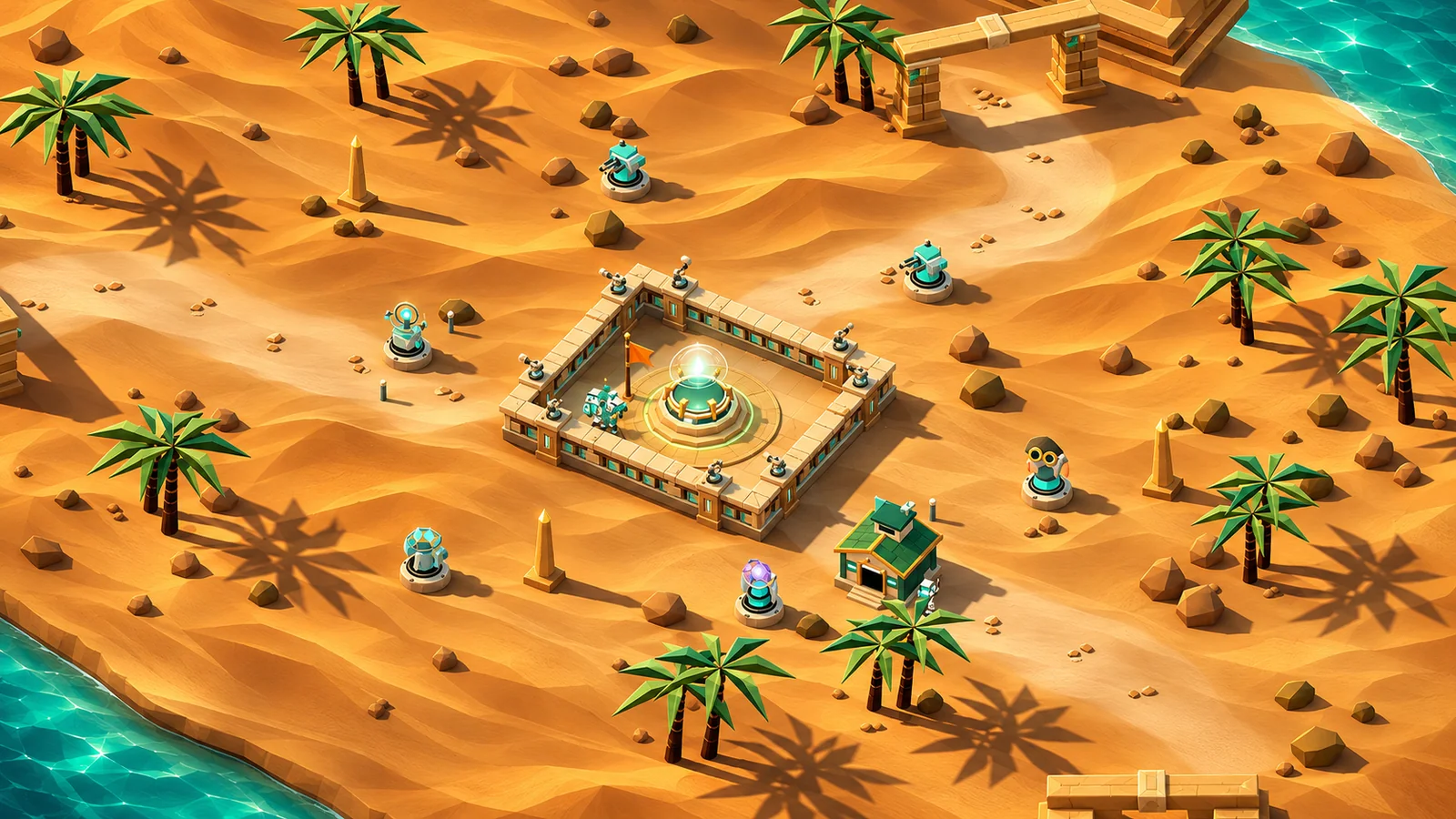
Verdant’s campaign offers a different kind of break. You can spend a quiet moment scouting lanes and planning a purchase, while defending a busy wave calls for sustained attention. Pick a goal you can recognise, such as identifying the road that a Sapper uses or clearing a mission. If you want the result to carry over, check what the game records at the mission boundary before counting an unfinished wave as progress.
Make it easy to remember your next move
Time to resume thinking counts too. In a story game, read the quest log after returning and see whether it tells you who you meant to find. In a strategy game, look for enough information on the board to reconstruct your plan. In a puzzle, leave one obvious move available before you stop. A good stopping point gives your future self somewhere to begin, even if your next chance to play is tomorrow.
For a game you return to often, write down three observations from a normal session. Note the smallest result it saves, a reliable way to pause and how long it takes to get back into play. ‘One puzzle, saves after each move, about half a minute to open’ tells you when that game fits your day. Another game on the same phone may make more sense when you have a whole evening and can follow a story without breaking it up.