
Choose by what you enjoy doing on a phone, from solving a puzzle or exploring a story to building a team, keeping a beat or mastering a jump.
Start with a moment you would like to repeat
Think of a moment you enjoyed in any game. Perhaps you spotted a pattern nobody else saw, found a hidden room, landed a difficult move or watched a plan you made ten minutes earlier finally work. The name of a genre is useful once you know which of those moments you want more of. Two games filed under adventure can feel very different if one rewards close observation and the other asks you to dodge attacks in real time.
When you look at a game on a phone, watch what the player actually does between the big moments. A trailer may show a castle collapsing, but the part you play might be matching tiles, selecting dialogue or steering one character. Try to find footage of an ordinary turn or a first level. Would you enjoy making that decision twenty times, with small variations? That question narrows the field much faster than the artwork.
For a satisfying solution, try puzzles or word games
A logic puzzle gives you a small set of rules and a situation to untangle. In a grid puzzle you might spend a whole minute figuring out which single square can be filled safely. A word game can reward a different pleasure, such as suddenly recognising a long word in a familiar set of letters. If you enjoy thinking aloud with someone nearby, look for a board you can both read while you consider the next move.
Pay attention to time and undo rules. A falling-block puzzle with an accelerating timer asks for quick recognition. A move-limited board lets you plan but makes each choice matter. A relaxed arrangement puzzle may let you move pieces back freely. If you like solving things while answering messages, try leaving the first puzzle halfway through and check whether it keeps the board for you.
For discovery, compare adventure and role-playing games
In a story adventure, the reward for tapping on the right detail might be a conversation or a new route through a room. In a role-playing game, part of the pleasure may come from deciding how a character grows and seeing that choice change a later encounter. Picture a locked gate. Would you rather find a note that explains how to open it, or return after teaching a party member a new skill? Your answer points towards two different kinds of exploration.
On a phone, read a full dialogue exchange at your usual viewing distance. Check whether a quest log, map marker or conversation history can remind you what you were doing after a break. That matters especially when the story or your party build develops across several evenings. A beautiful world is easier to return to when you can remember why you were crossing it.
For timing and movement, try rhythm, platform or sports games
Rhythm games ask you to read what is coming and tap, hold or release in time. Platform games ask you to judge space as well as timing. A good jump may start before the character reaches the edge of a ledge. Sports games can combine both skills, from timing a single shot to steering a player while choosing when to pass. Watch your first few misses. If you enjoy working out why you missed and trying again immediately, there is a good chance you have found the right sort of challenge.
Try a training sequence with the sound and grip you normally use. Can you see the next note under your fingers? Can you reach jump while holding a direction? Is the next attempt one tap away or several menus deep? A short, easy restart makes a difference when repeating a small movement is the part you enjoy.
For a plan that unfolds, try strategy, cards or simulation
Strategy can mean taking an unhurried turn on a board, placing a defence before a wave, or making a rapid choice as resources run out. Card games give you a hand of possible actions and ask which one to use now and which to save. A building or management simulation can stretch the payoff across a much longer period. You change one road or workshop, let the system run, and discover which bottleneck your decision moved.
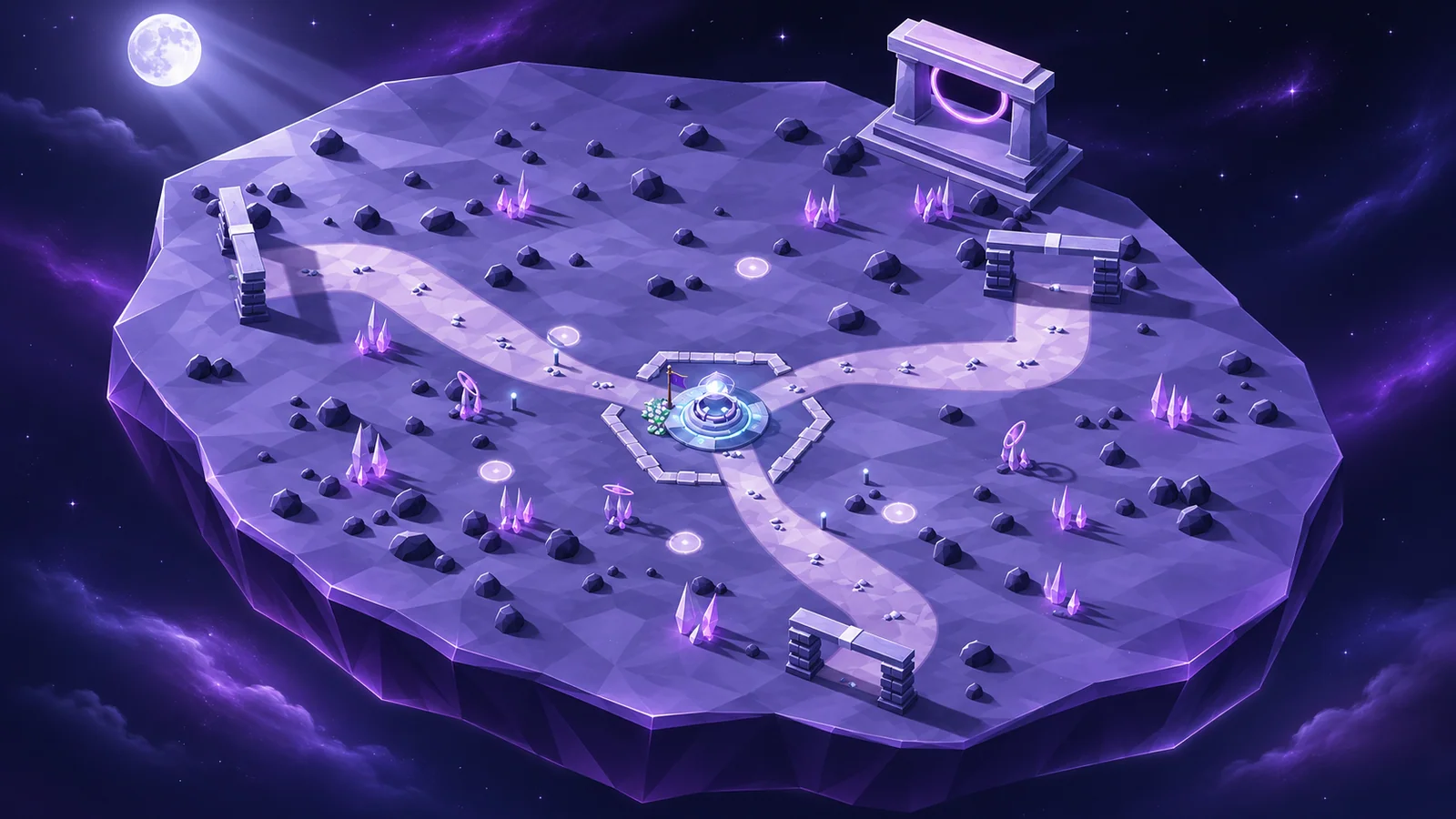
Choose the sort of feedback you like. If you want a clear explanation for a loss, look for a move history, a readable board or a replay. If you enjoy experimenting, see whether you can change a layout or try a different deck without starting over. In Verdant, the opening mission gives a small example of a planning decision. You choose a site for your first tower knowing that a later attack will come down a different road.
Choose the mode as well as the genre
A racing game can be a quiet time trial, a competition against other people or a chaotic arcade round. The steering may be similar in all three, while the reason to play changes completely. The same is true of a puzzle with a solo board and a head-to-head timer. Before committing to a download or a long tutorial, check which mode the description or footage actually shows.
If several genres appeal to you, pick two games with one meaningful difference. Try a turn-based puzzle and a timed one, or a linear story and a world you can explore freely. After a short session, name the decision you kept looking forward to. You now have something more useful to search for than a list of popular mobile games.